Retail is undergoing a major transformation. Customers today are more demanding than ever before – they expect 24/7 availability, personalized offers, and fast service.
For retailers, this means constantly adapting to new trends while also optimizing operational costs. The solution is retail automation – modern technologies that help streamline daily operations and improve customer experience.
Technologies such as electronic shelf labels (ESL), self-checkout systems, AI inventory management, digital signage, and Digital Human assistants enable retailers to operate more efficiently and remain competitive in a rapidly changing market.
Retailers today face growing pressure to improve efficiency while maintaining high levels of customer satisfaction. At the same time, labor shortages and increasing operational costs make it harder to manage everyday store operations.
Retail automation helps solve these challenges by automating routine tasks and providing real-time data for better decision-making. By introducing smart technologies, retailers can reduce manual work, improve accuracy, and create a smoother shopping experience for customers.
Retail automation refers to the implementation of technologies and systems that minimize the need for manual intervention in routine retail processes.
These solutions help businesses streamline operations and improve store performance.
Some of the most common technologies used in retail automation include:
Together, these technologies help retailers increase efficiency, reduce costs, and improve the customer journey.
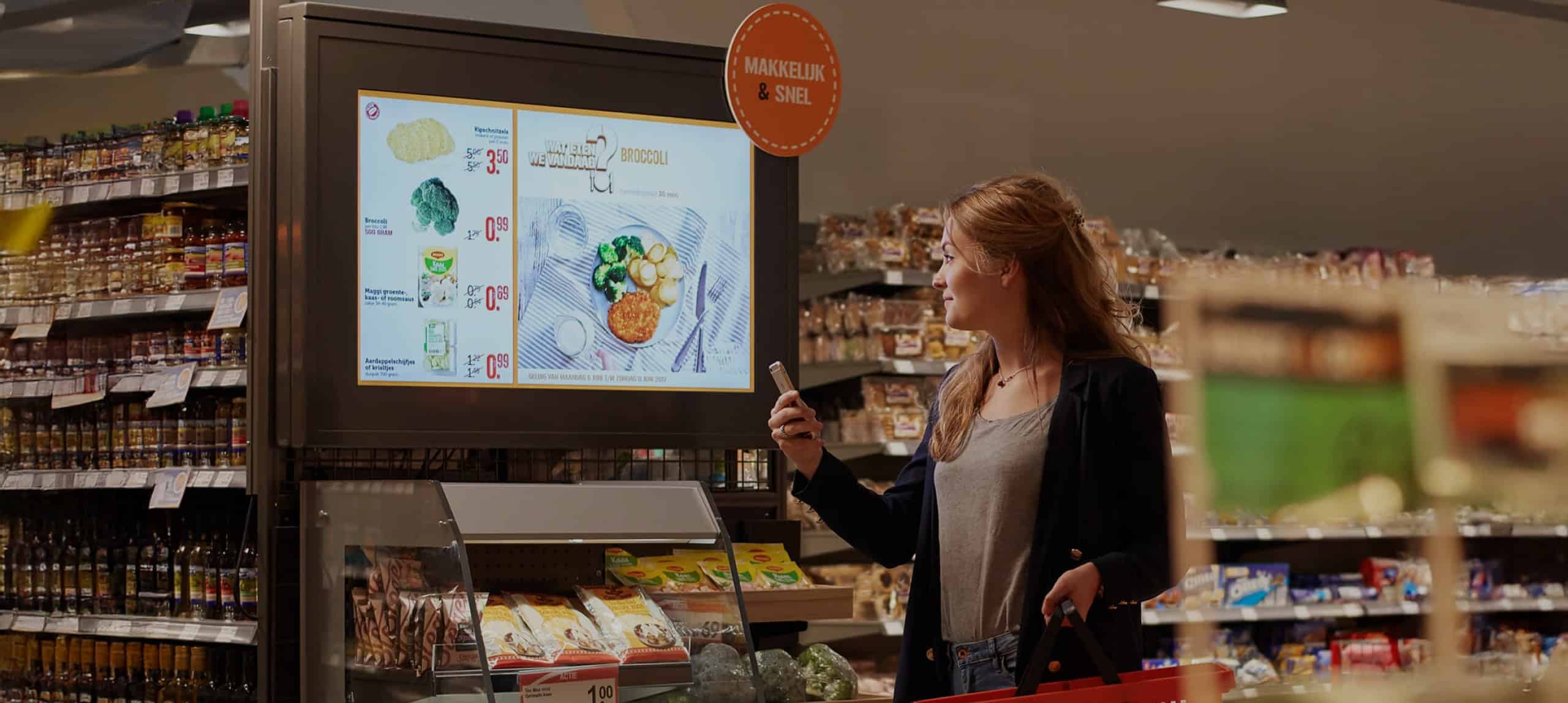
Retail automation delivers measurable benefits across store operations, inventory management, and customer experience.
Automated systems reduce the need for manual work and help retailers optimize staffing costs. Electronic shelf labels, for example, eliminate the need for manual price updates and reduce pricing errors.
Modern inventory management systems can achieve up to 99% accuracy, allowing retailers to restock products more efficiently and reduce the risk of stockouts.
Customers increasingly prefer self-service solutions and faster checkout processes. Technologies like Digital Human assistants and interactive digital signage make shopping easier and more engaging.
Automation allows retailers to collect valuable data about customer behavior and product performance. These insights help businesses optimize pricing strategies, promotions, and inventory planning.
Artificial intelligence enables retailers to deliver targeted promotions and product recommendations based on customer preferences and purchasing history.
Asset tracking and AI-powered inventory systems improve stock accuracy and help predict demand, reducing excess inventory and stock shortages.
Technologies such as RFID sensors and AI cameras help prevent theft and fraud while improving overall store security.
Retail automation connects online and offline sales channels, allowing customers to shop online, check product availability in real time, and pick up orders in store.
Automation helps retailers handle routine operational tasks even with limited staff, allowing employees to focus on customer service and strategic activities.
Retailers that adopt automation technologies are better positioned to compete in a rapidly evolving market where digital innovation is becoming the industry standard.
Resources: pymnts.com, thepaymentsassociation.org, fugo.ai, assetvue.com, mcubedigital.com, harvard.edu, screenfluence.com, kioskmarketplace.com, superoffice.com
Retail automation already delivers measurable results for businesses worldwide:
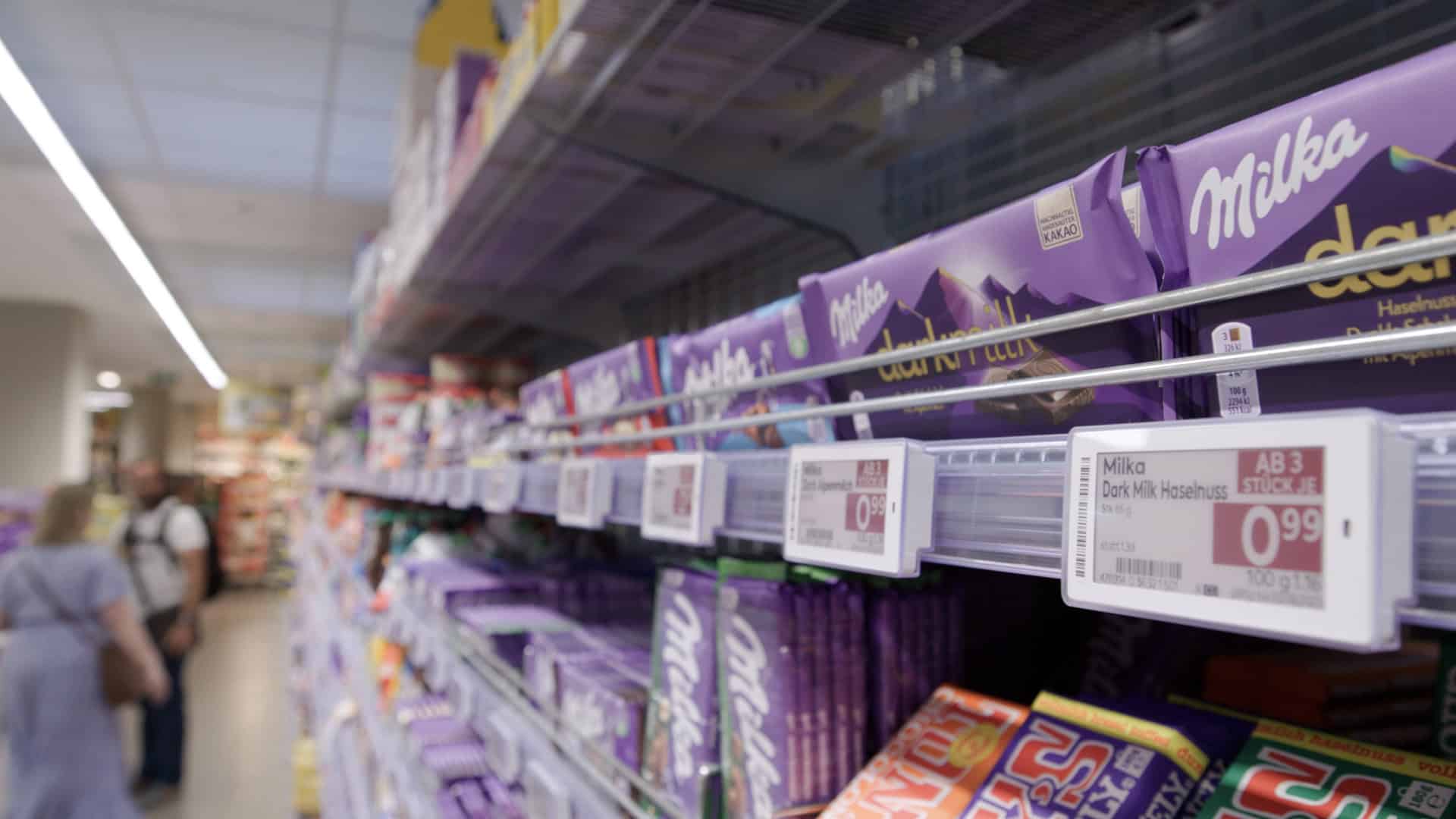
Despite its growing adoption, retail automation is still surrounded by several common misconceptions that often discourage businesses from implementing these technologies.
In reality, automation does not replace employees – it supports them. By handling repetitive tasks, automation allows staff to focus on customer service and higher-value activities.
Modern retail automation solutions are scalable and flexible. Even small and medium-sized retailers can implement technologies that match their operational needs and budget.
In addition, attractive leasing financing options are available, making the transition to automation more accessible even for small and medium-sized businesses.
If you want to succeed in a rapidly changing retail environment, automation is no longer a choice – it is a necessity. Investments in modern technologies such as Electronic Shelf Labels (ESL), Digital Signage, Asset Tracking, Digital Human assistants, and Indoor Navigation can deliver around a 25% increase in sales and customer engagement, reduce operational costs by 30–50%, improve conversion rates by 15%, and increase overall efficiency and customer satisfaction by up to 30%.
These results clearly demonstrate the value of automation and its integration into everyday business processes. Companies that have invested in smart technologies are already experiencing significant savings in time and operational costs, faster responses to market demands, and higher customer satisfaction. Automation allows businesses to focus on strategic activities while reducing the burden of routine tasks, making it a key driver of growth and competitiveness. In today’s market, automation is what separates industry leaders from those trying to catch up.
Do you need a reliable partner for the digitalization and automation of your business operations?
We are UNITY – a system integrator specializing in store and operations digitalization, process automation, and AI solutions for retail, e-commerce, and industry.
We help businesses transform their operations efficiently, securely, and sustainably.
Contact us today and start your journey toward automation.
More information about our services can be found at:


