Display technologies have undergone significant development over the past decades. Most people are familiar with screens such as LED, LCD, or OLED, commonly used in TVs, monitors, and smartphones. However, a lesser-known yet highly innovative technology is electronic paper – e-paper.
Today, e-paper is becoming the foundation of many modern retail digitalization solutions, particularly in the implementation of electronic shelf labels (ESL) and intelligent in-store display systems.
For retailers and store operators, this technology offers the ability to improve price management efficiency, enhance customer communication, and reduce operational costs.
Electronic paper, also known as e-ink, is a display technology designed to mimic the appearance of traditional paper.
Unlike conventional displays, it:
As a result, content displayed on e-paper is highly readable and easy on the eyes.
This is one of the reasons why the technology is widely used in e-readers and electronic shelf labels in retail.
Electronic paper offers several advantages over traditional display technologies.
E-paper displays consume energy only when the displayed content changes. This means the device can show information without using any power for days or even months. That is exactly why this technology is used, for example, in electronic shelf labels (ESL), whose batteries can last for several years.
Since e-paper reflects light like traditional paper, it is highly readable:
This is a significant advantage over LCD displays, which often produce glare.
E-paper displays offer a very wide viewing angle, ensuring content remains readable from different perspectives without distortion. This is particularly important in retail environments where customers view labels from various angles.
One of the most interesting features of electronic paper is its so-called bistability. This means that an image remains on the display even without power. Energy is required only when the content changes.
The result is an extremely energy-efficient solution.
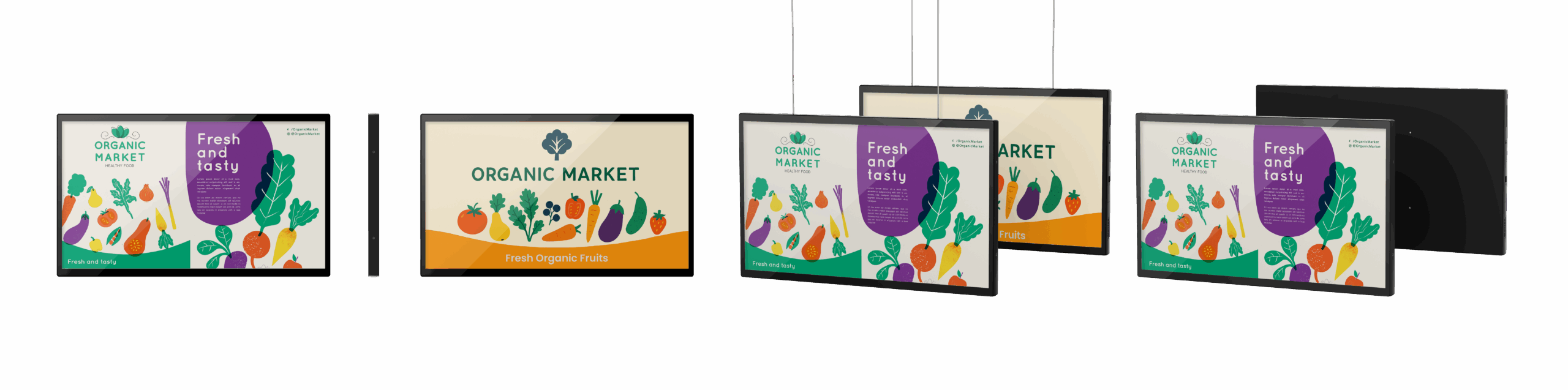
E-paper technology is currently used in various devices, including:
In retail, e-paper plays an increasingly important role in store digitalization.jní.
E-paper technology is based on the principle of electrophoresis, meaning the movement of charged particles in an electric field. The display contains millions of microcapsules filled with liquid and pigment particles.
Each capsule typically contains, for example:
When an electric voltage is applied to the display:
This creates the image or text visible on the display. Once the particles are arranged, the image remains stable even without additional energy.
Electronic shelf labels (ESL) are one of the fastest-growing segments in retail technology. Compared to paper labels, they enable:
Thanks to low energy consumption and excellent readability, this technology is ideal for this type of solution.
For retail companies, this means:
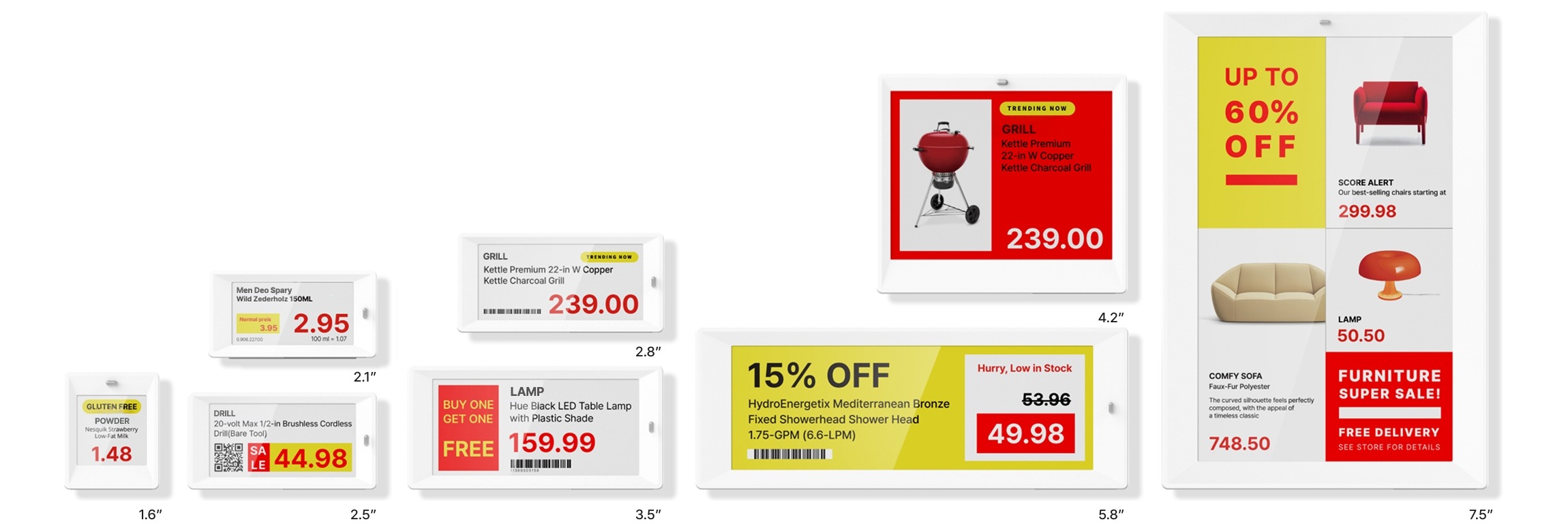
When selecting a solution based on electronic paper, it is important to consider several key features. The most important include:
Modern displays using electronic paper technology can now also show colors, such as black, white, red, or yellow, allowing for better highlighting of promotions and special offers.
With the growing emphasis on retail automation and store digitalization, the use of e-paper technology is expected to continue to rise. Electronic shelf labels are gradually becoming a standard in modern stores, as they enable:
For retail companies, this represents a significant competitive advantage.
Electronic paper represents an innovative display technology that combines low energy consumption, high readability, and flexible usability.
Thanks to these features, it has become the foundation for solutions such as electronic shelf labels (ESL), which today help retailers manage pricing more efficiently, improve customer experience, and modernize the retail environment.
For companies that want to keep up with retail digitalization trends, e-paper technology is one of the key building blocks of the smart store of the future.


